

By using this website, you agree to the storing of cookies on your device to enhance site navigation, analyze site usage, and assist in our marketing efforts. View our Privacy Notice for more information.
By using this website, you agree to the storing of cookies on your device to enhance site navigation, analyze site usage, and assist in our marketing efforts. View our Privacy Notice for more information.
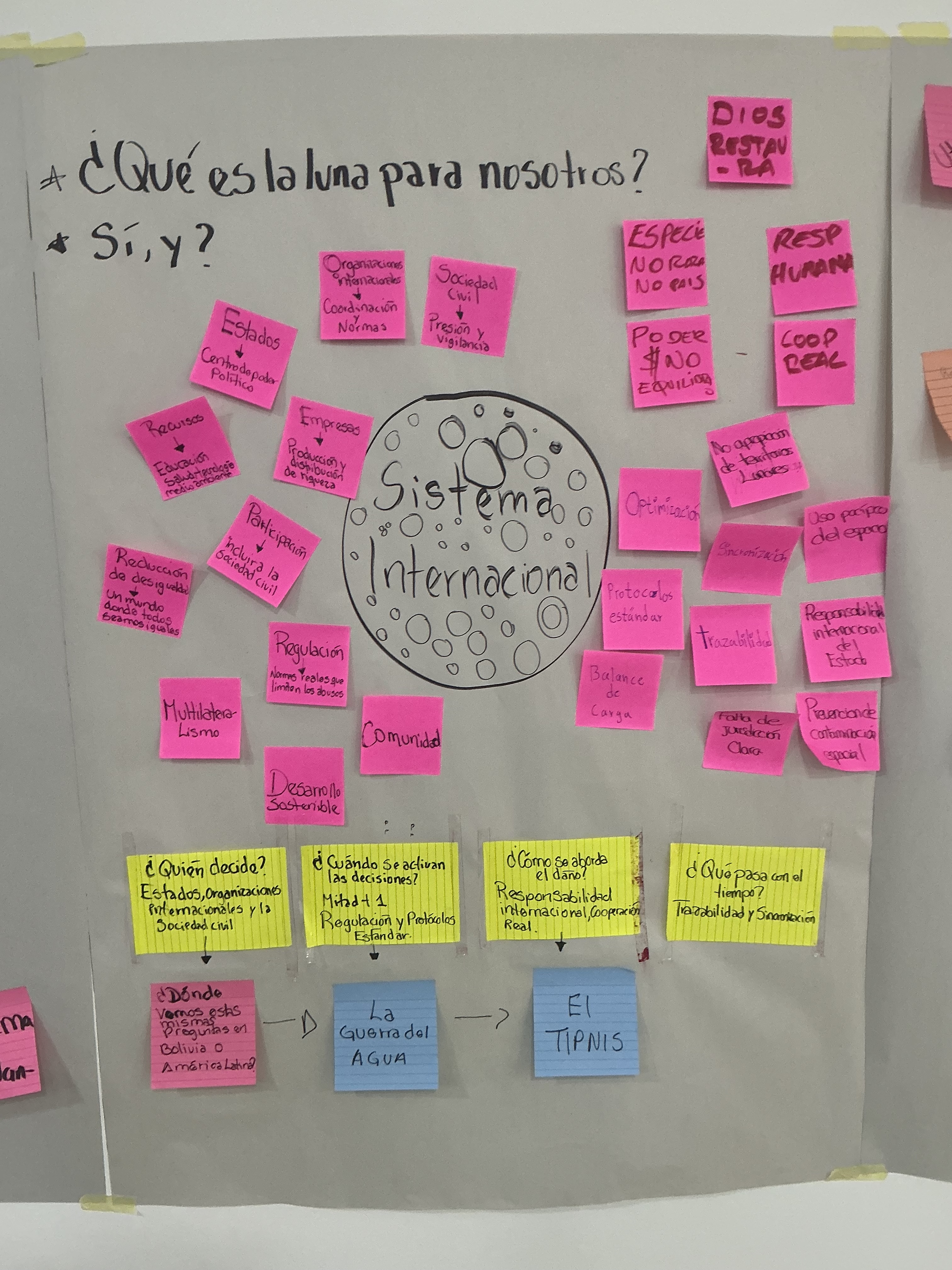
The rules for how humanity governs space are being written right now, mostly by a handful of powerful governments and companies. But the future in space doesn't need only scientists and engineers. It also needs people who understand justice, community, ecology, and care, and it needs voices from communities that have rarely had a seat at that table.The NUR Lab put that premise to the test. Students from a wide range of disciplines in Bolivia were asked to design governance systems for the Moon, drawing on their own fields, cultural references, and lived experience.
Students from Universidad NUR and partner institutions across Bolivia. Fields represented: engineering, medicine, law, international relations, tourism, psychology, sociology, and more. Students included those from Indigenous backgrounds with deep understanding of events that have shaped Bolivia's relationship to contested commons.Hosted by Universidad NUR, one of Bolivia's leading private universities, founded on the Baha'i faith and a commitment to interdisciplinary learning. Participants also included students from other institutions in Santa Cruz.
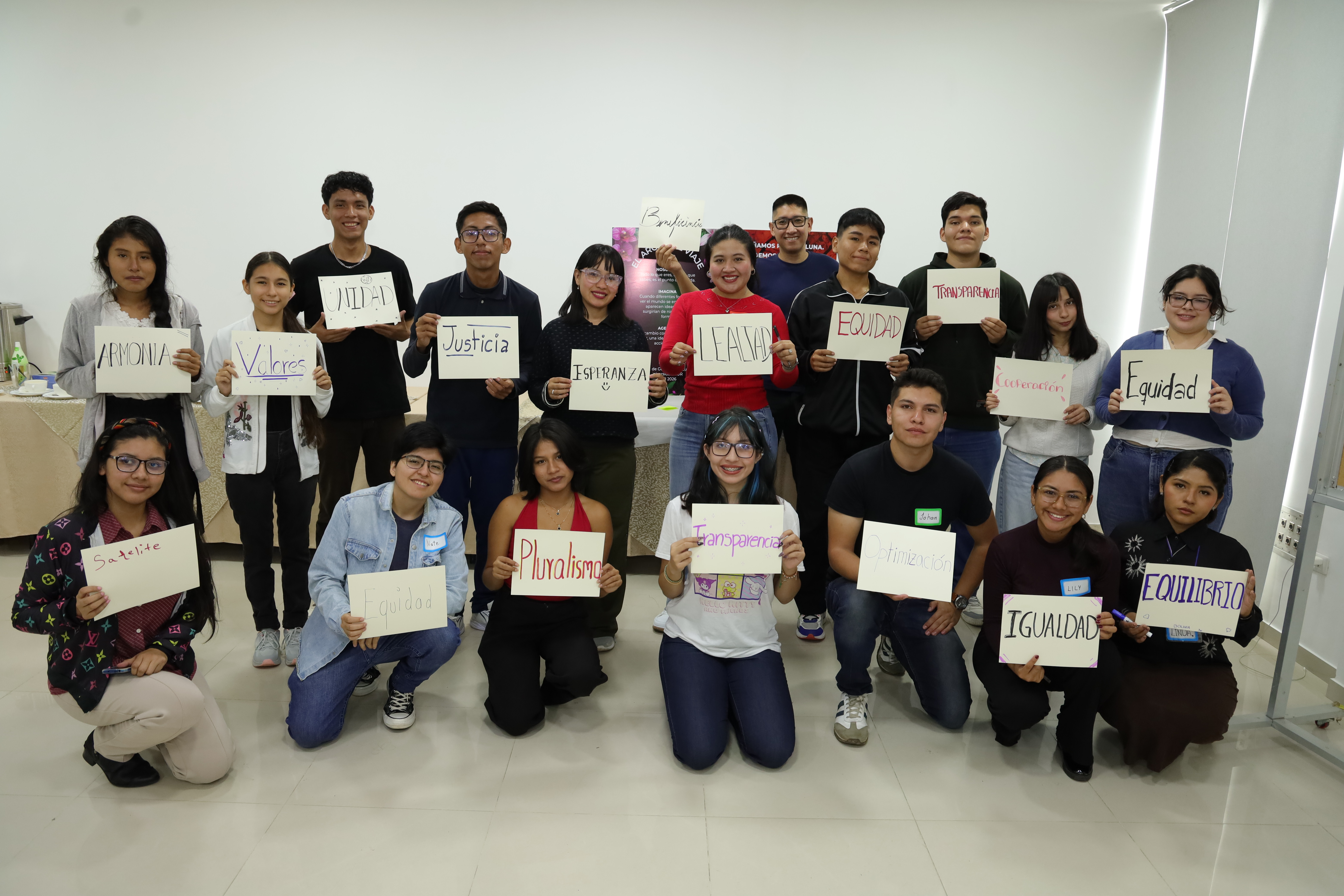
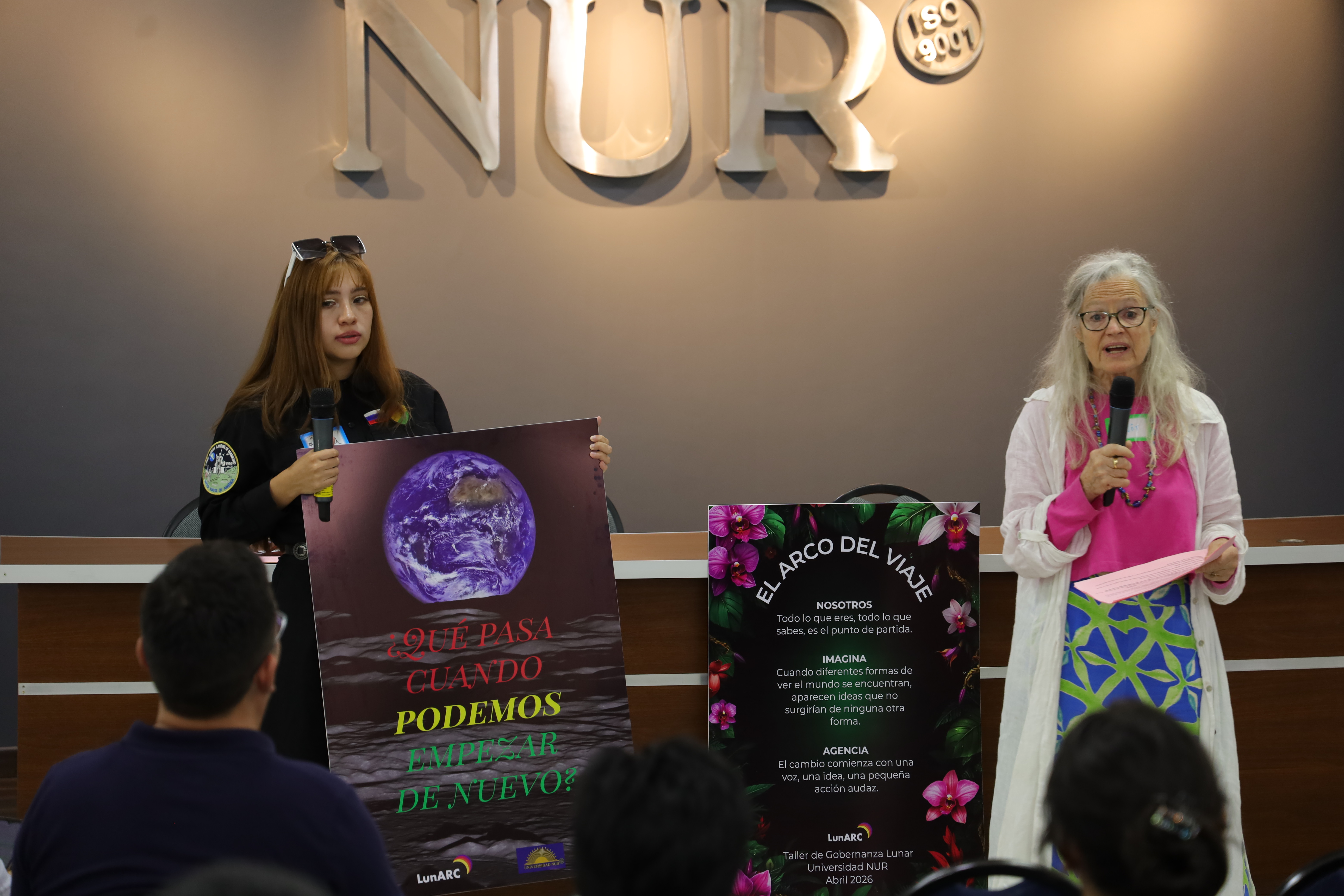
Over three days, working in groups, participants designed four distinct governance models.
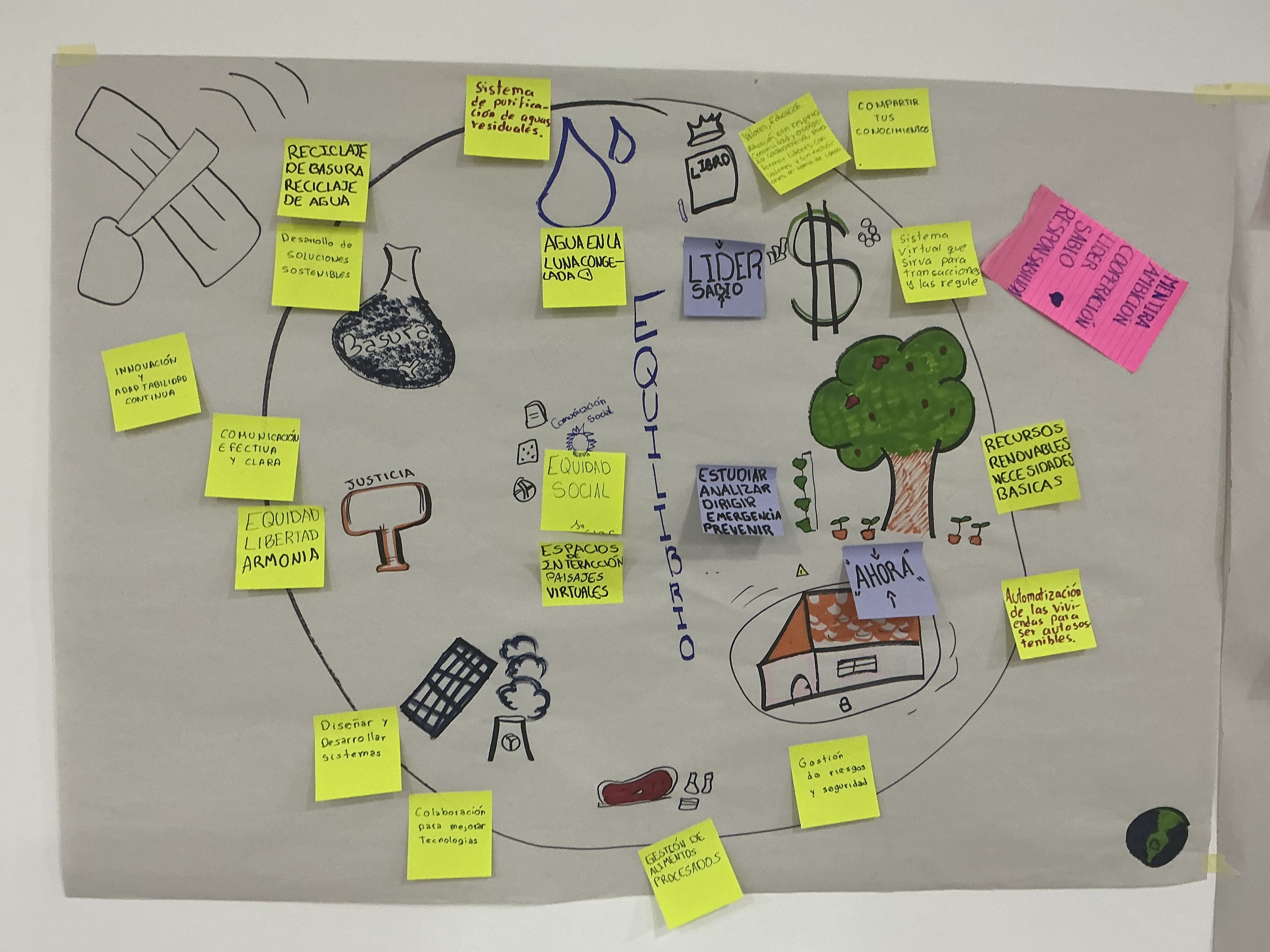
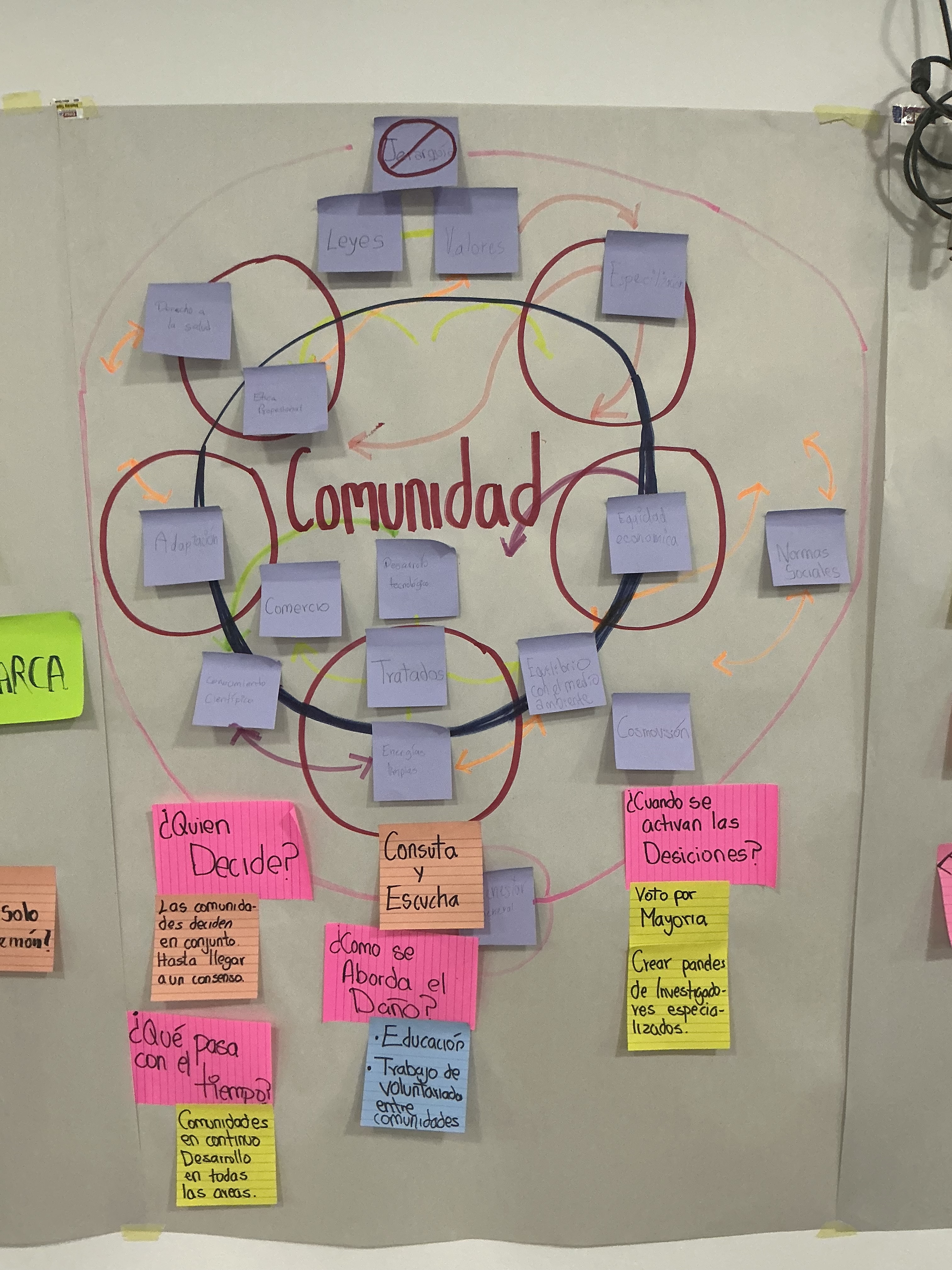
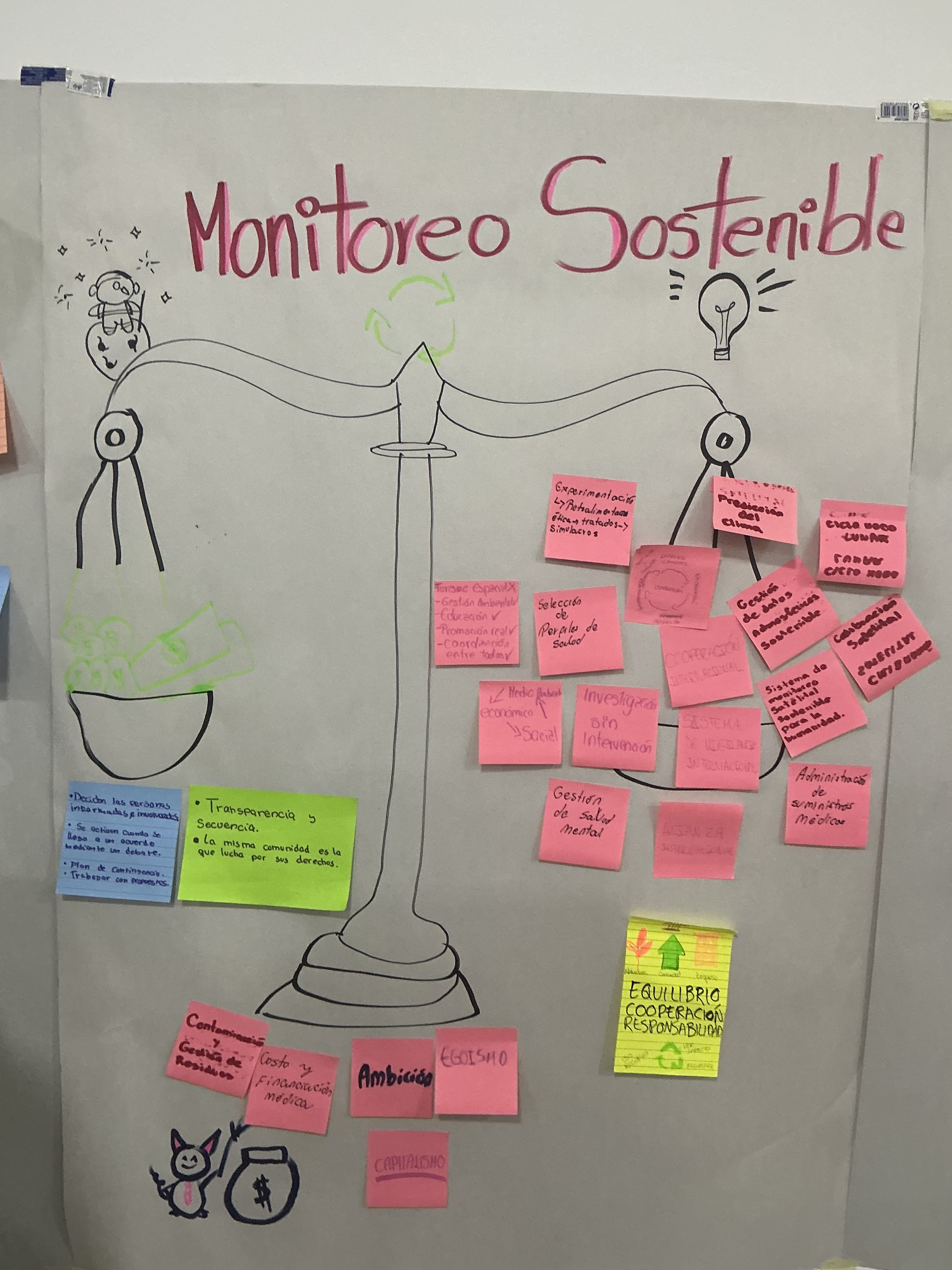
"No se trata de llegar más lejos. Se trata de ser mejores al llegar."
"It is not about going further. It is about being better when we arrive."
— Fabio Saldias Herrera, Ingeniería de Sistemas, Universidad NUR
Over three days, the students produced governance models, guidelines, guardrails, and a final message intended for the Moon. Those outputs were then translated into legal form by ICAAD, the International Center for Advocates Against Discrimination, as The Bolivia Moon Agreement: a student-governed reworking of the 1979 Agreement Governing the Activities of States on the Moon and Other Celestial Bodies, following its twenty-one article structure, with commentary and full source traceability. It is published in English and Spanish.
The Bolivia Moon Agreement was written by students at Universidad NUR in Santa Cruz, Bolivia, in April 2026, and is named for where it was drafted. It is a work of participatory governance design. It is not a treaty, and it does not represent the position of the Government of Bolivia, the Bolivian Space Agency, Universidad NUR, ICAAD, or LunARC.
If you would like to explore the Agreement further, whether in a classroom, a policy setting, or a room of your own, write to us at partnerships@lunarc.org.
The Bolivia Moon Agreement is now being shared in governance and space policy arenas. Student contributions will also travel to the Moon as part of the Lunar Codex Hinatea archive aboard Astrolab's FLEX rover, launching via a commercial rocket no earlier than mid-2027. What was imagined in Santa Cruz, Bolivia, will become part of the permanent lunar record.
.png)

